You bought a bougainvillea bursting with magenta papery flowers, imagining a cascade of color on your patio. Six months later, you're staring at a leggy, green beast with maybe three sad bracts. Sound familiar? I've been there. I've killed a few with kindness (read: overwatering) before I figured them out. The secret to a thriving bougainvillea isn't more love—it's the right kind of tough love. This guide ditches the fluff and gives you the gritty, practical steps that actually work, drawn from years of trial, error, and finally, success.
What's Inside This Guide
Understanding Your Plant (It's Not What You Think)
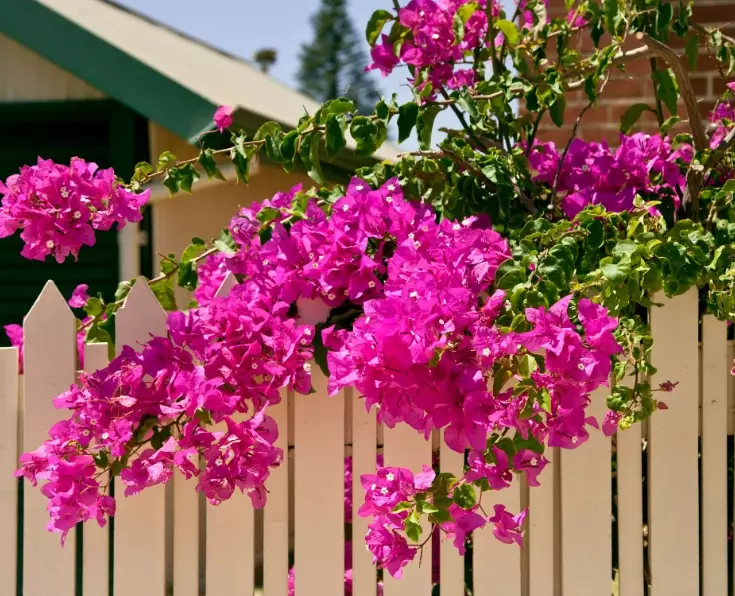
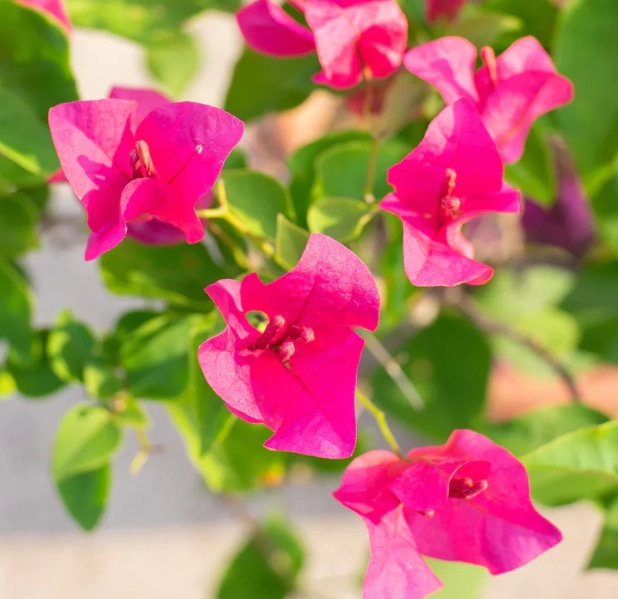
First, let's clear something up. Those vibrant pink, purple, or orange parts? They're not flowers. They're modified leaves called bracts. The actual flowers are the tiny, white, trumpet-shaped things nestled inside. This isn't just botany trivia—it changes how you care for it. The plant puts energy into those colorful bracts to attract pollinators to the real flowers. Stress it with too much water or rich soil, and it thinks, "Why bother? I'm comfortable," and stops producing color.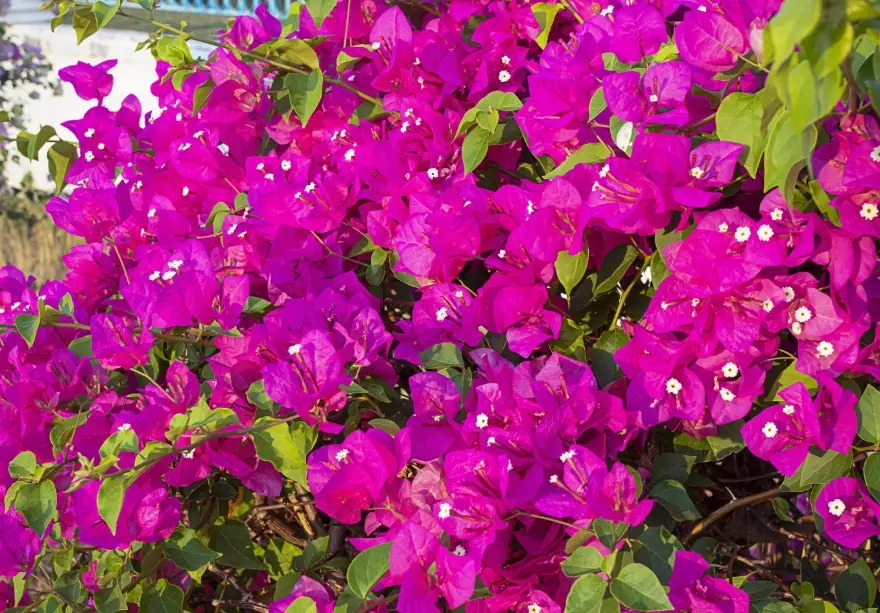
Bougainvilleas are sun-worshipping, drought-adapted survivors from arid regions of South America. Their natural habitat is rocky, nutrient-poor hillsides with blazing sun. In your garden, they want conditions that mimic that. Think of them as the laid-back friend who thrives on neglect, not the high-maintenance one needing constant attention.
Getting Started Right: Location, Soil, Planting
Getting the fundamentals right from day one saves endless headaches later.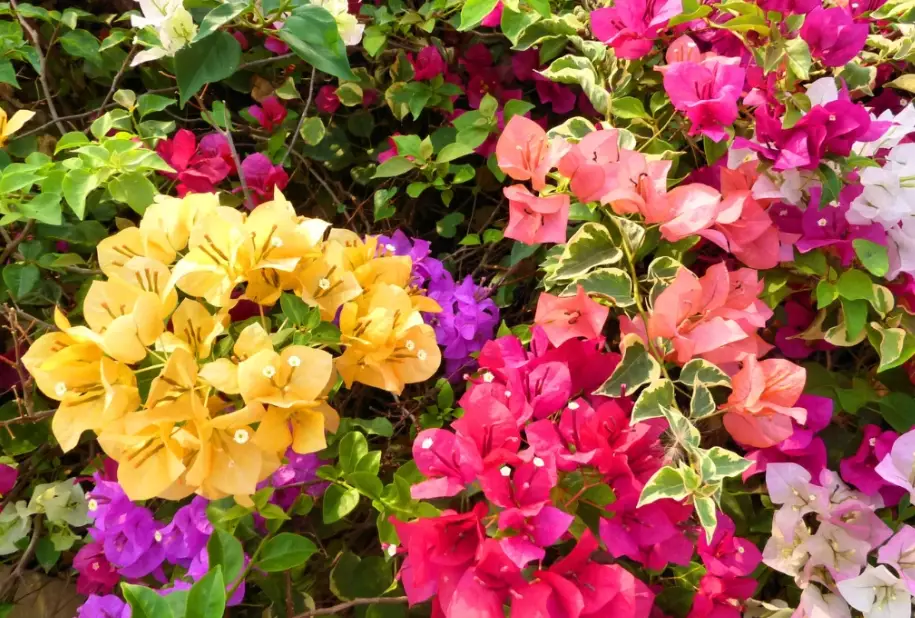
Sunlight: Non-Negotiable
You need a minimum of six hours of direct, unfiltered sunlight. More is better. Eight to ten hours is ideal. If you have a spot that gets afternoon sun, that's the one. Morning sun alone often isn't enough. I've seen plants in dappled shade survive, but they become spindly and bloom sporadically, if at all.
Soil and Drainage: The Foundation
This is critical. Bougainvillea roots hate sitting in wet soil. They rot quickly. The ideal soil mix is well-draining and slightly acidic to neutral (pH 5.5 to 7.0).
- In Ground: If your soil is heavy clay, you must amend it. Dig a hole twice as wide as the root ball but no deeper. Mix the native soil with a large amount of coarse sand, perlite, or pea gravel, and some compost (not too much). The goal is to create a loose, gritty mound for the roots to spread into.
- In Containers: This is where you have full control. Use a high-quality cactus/succulent potting mix. Or, make your own: two parts regular potting soil, one part perlite or coarse sand, and one part peat moss or coco coir. Ensure the pot has large, unobstructed drainage holes.
Planting Steps: Don't Bury It
When planting, position the root ball so the top is level with or slightly above the surrounding soil grade. Planting too deep invites stem rot. Backfill with your prepared soil mix, water it in thoroughly to settle, and then—this is key—let it dry out before you even think about watering again.
The Care Trifecta: Water, Food, and Pruning
This is the daily, weekly, and seasonal rhythm that makes or breaks your plant.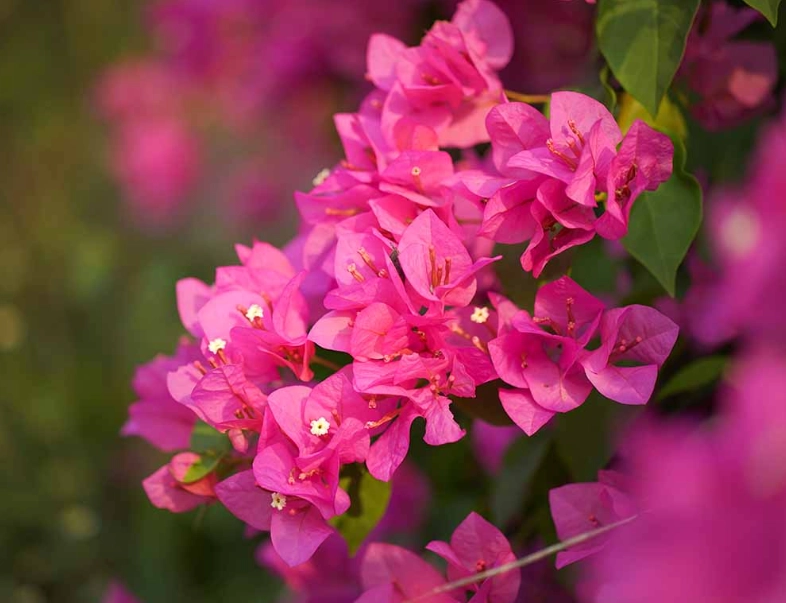
How to Water Bougainvillea Correctly
The mantra is: Soak and dry. Water deeply until it runs out the bottom of the pot or saturates the root zone in the ground. Then, wait. Let the soil dry out almost completely before watering again. Stick your finger into the soil up to the second knuckle. If it feels dry, it's time. In hot, windy weather, this might be every few days. In cooler, humid weather, it could be two weeks.
A mature, in-ground bougainvillea is incredibly drought-tolerant. Established plants often do fine with just rainfall. Overwatering is the #1 killer of potted bougainvillea. Yellowing leaves that fall off are a classic sign you're loving it to death with the hose.
Fertilizing: Less is More
Feed during the active growing season (spring through summer). Use a fertilizer with a higher phosphorus (the middle number) than nitrogen (the first number). Something like a 5-10-10 or 6-8-10 "bloom booster" formula is perfect. Nitrogen promotes leafy growth; phosphorus promotes flowers and roots.
- Frequency: Every 4-6 weeks is plenty. A slow-release fertilizer applied in early spring can also work well.
- Stop in Fall: As growth slows, stop fertilizing to allow the plant to harden off before cooler weather.
Pruning: Shaping and Encouraging Blooms
Pruning is essential for control and to encourage new growth, which is where flowers form. Bougainvillea blooms on new wood.
- When: The best time is right after a flush of blooms fades, or in early spring before new growth surges.
- How: Don't be timid. You can cut back long, leggy shoots by a third to half. Always prune just above a leaf node or a junction. Wear thick gloves—the thorns are no joke.
- Pinching: For a bushier plant, pinch off the soft tips of new growth. This encourages side-shooting, which means more potential bloom sites.
Advanced Tricks for Non-Stop Blooms
Forcing a Bloom Cycle
If your plant is healthy and green but stubbornly refuses to bloom, you can induce stress to trigger flowering. This mimics their natural dry season. For a potted plant, withhold water until the leaves just begin to wilt slightly. Then give it a deep drink. Repeat this cycle once or twice. Combined with full sun, this often shocks them into producing bracts.
Overwintering in Cold Climates
This is a common pain point. Bring the container indoors well before the first frost. Place it in the sunniest spot you have—a south-facing window is ideal. It will likely go semi-dormant, dropping some leaves. This is normal. Water very sparingly, just enough to keep the roots from completely desiccating. Don't fertilize. In spring, after the last frost, prune it back hard (this feels scary but is necessary), move it back outside into partial sun for a week to acclimate, then into full sun. It will rebound with vigor.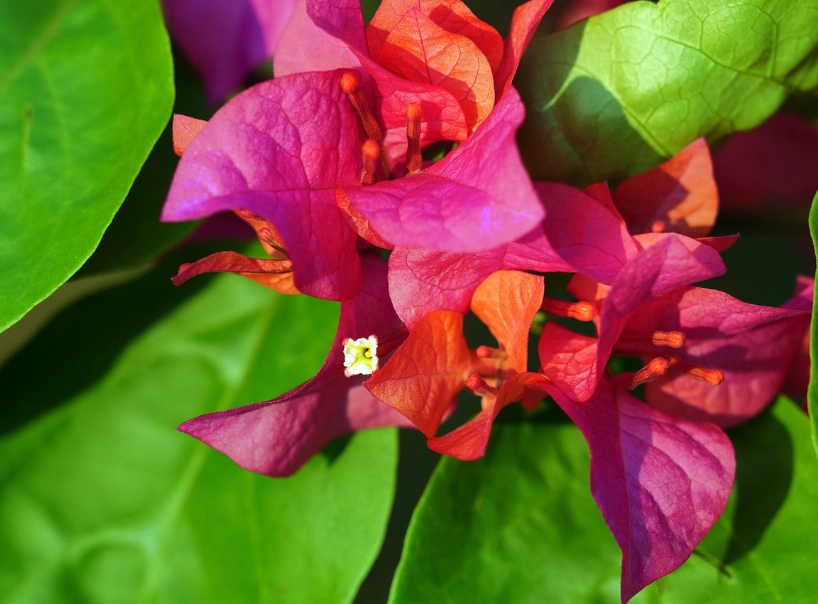
Troubleshooting Checklist: Why It's Not Blooming
Run through this table if your plant is all leaves and no show.
| Symptom | Likely Cause | The Fix |
|---|---|---|
| Lush green growth, zero flowers | Too much nitrogen fertilizer; overwatering; not enough sun. | Switch to low-nitrogen, high-phosphorus fertilizer. Let soil dry out more between waterings. Relocate to a sunnier spot if possible. |
| Leaves turning yellow and dropping | Overwatering is the most common cause. Can also be a sudden temperature drop. | Check soil moisture. Improve drainage. Reduce watering frequency dramatically. |
| Plant looks leggy and sparse | Insufficient light. | This is a tough one. The plant needs more direct sun. Consider moving it or pruning nearby plants blocking light. |
| Brown, crispy leaf edges | Underwatering, or salt buildup from fertilizer in containers. | Water more deeply when you do water. For pots, flush the soil by running water through it for several minutes to leach out excess salts. |
| New growth is weak and pale | Possible nutrient deficiency or root rot from poor drainage. | Check roots for mushiness. If roots are healthy, apply a balanced, diluted fertilizer. |
Your Bougainvillea Questions, Answered
Why is my bougainvillea dropping all its leaves after I brought it inside?
This is a classic stress response to a sudden change in environment—less light, different humidity. It's often a semi-dormant phase. Don't panic and overwater. Place it in maximum light, water minimally, and wait. It should push out new leaves adapted to indoor conditions in a few weeks. The leaves will likely be smaller, which is normal.
Can I grow bougainvillea from cuttings?
You can, but it requires patience. Take a 6-inch semi-hardwood cutting (not too soft, not too woody) in late spring or summer. Dip the end in rooting hormone, plant it in a mix of perlite and peat, and keep it in a warm, humid environment (a plastic bag over the pot works). Roots can take 6-8 weeks. I've had about a 50% success rate—it's not the easiest plant to propagate this way.
Is bougainvillea toxic to pets?
According to resources like the ASPCA, bougainvillea is generally considered non-toxic to dogs and cats. The primary risk is physical injury from the thorns if a pet tries to chew on the stems. However, ingesting large amounts of any plant material can cause stomach upset, so it's still best to discourage chewing.
How fast does bougainvillea grow?
In ideal conditions (hot, sunny, with ample space for roots), it can be shockingly fast—3 to 5 feet in a single growing season. This is why pruning is so important for management. In containers or less-than-ideal spots, growth will be much slower and more manageable.
What's the best variety for a small patio or balcony?
Look for dwarf or semi-dwarf cultivars. 'Helen Johnson' (copper-rose bracts), 'Singapore Pink' (more compact), or the 'Sunvillea' series (like 'Sunvillea Cream') are bred to be more contained. They still need big sun but won't take over your entire space like the classic 'Barbara Karst' or 'Purple Queen' can.
The bottom line with bougainvillea is to embrace its nature. Give it sun, neglect it a little with water, feed it lightly with the right food, and cut it back with confidence. Stop trying to make it a pampered princess. When you get the balance right, the reward is months of breathtaking, almost unreal color that makes all the initial struggle worth it. Go be tough with your plant—it'll thank you with flowers.