I’ve killed a potted bamboo. There, I said it. It was a beautiful, spiraled Lucky Bamboo stalk I got as a gift. I placed it in a corner, gave it tap water when I remembered, and watched in confusion as it slowly turned a sickly yellow. That failure sent me down a rabbit hole. Over the past decade of growing everything from towering timber bamboo in containers to the delicate tabletop varieties, I’ve learned that most bamboo deaths stem from a few simple, correctable mistakes. This guide isn't just a list of facts; it's the roadmap I wish I had, compiled from hard-won experience, to keep your potted bamboo not just alive, but vigorously thriving.
What's Inside This Guide
- How to Choose the Right Potted Bamboo (Most People Get This Wrong)
- Essential Care for Your Potted Bamboo: Water, Light, and Food
- Solving Common Potted Bamboo Problems: Yellow Leaves, Brown Tips, and Pests
- Advanced Tips for Long-Term Success: Repotting and Propagation
- Your Potted Bamboo Questions, Answered by Experience
How to Choose the Right Potted Bamboo (Most People Get This Wrong)
The term "potted bamboo" covers a surprising range of plants, and picking the wrong one for your space is the first stumble. The biggest misconception? Assuming all bamboo grows 50 feet tall. For containers, we're almost always dealing with clumping or non-invasive running types, and the popular "Lucky Bamboo," which isn't a true bamboo at all.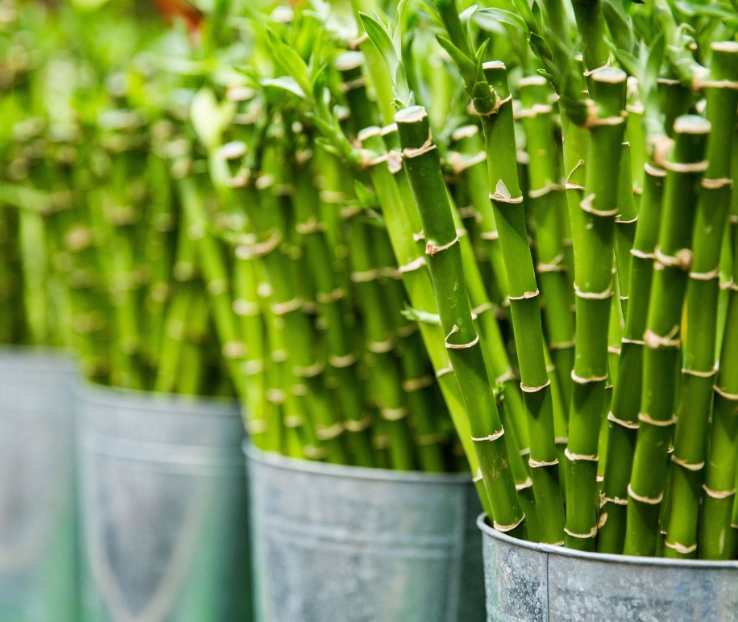
Let's break down your real-world options. I keep this table taped inside my gardening notebook for quick reference.
| Bamboo Type & Common Name | True Bamboo? | Best For | Key Trait & My Note |
|---|---|---|---|
| Dracaena sanderiana (Lucky Bamboo) | No. It's a Dracaena. | Low light desks, water culture, beginners. | Grows in water or soil. Forgiving, but fluoride in tap water will burn its tips. I use filtered water. |
| Bambusa multiplex (Hedge Bamboo) varieties like 'Golden Goddess' | Yes. Clumping type. | Patio containers, privacy screens, sunny spots. | Stays relatively small (10-15 ft). Doesn't spread wildly. My go-to for a tropical look on a balcony. |
| Fargesia spp. (Fountain Bamboo) | Yes. Clumping, cold-hardy. | Colder climates, shady corners, elegant specimens. | Handles shade better than most. Non-invasive. The canes arch beautifully, like a fountain. |
| Pleioblastus spp. (Dwarf Bamboo) like 'Chamaedorea' | Yes. Running type, but dwarf. | Ground cover in large pots, underplanting. | Stays under 2 feet. Can be aggressive, so it needs a deep pot or root barrier even in a container. |
When you're at the nursery, don't just look at the height. Run your fingers along the canes. Are they firm? Check the leaf color—a uniform, deep green is ideal. Pale or yellow-streaked leaves can signal stress or nutrient issues from the start. Gently tap the pot out; you want to see healthy white or tan roots, not a dark, mushy, or bone-dry root ball.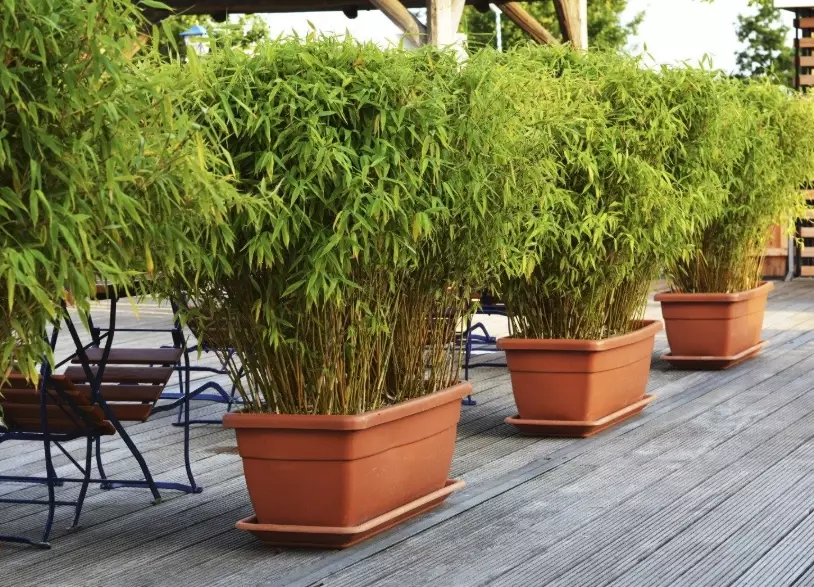
Essential Care for Your Potted Bamboo: Water, Light, and Food
Here’s where I see most people, including my past self, go off track. Potted bamboo care isn't about a rigid schedule. It's about reading the plant and the soil.
The Watering Mistake Everyone Makes
Overwatering is the assassin. Underwatering stresses it. The goal is consistent, even moisture. For soil-potted bamboo, the classic "finger test" is gospel. Stick your index finger into the soil up to the second knuckle. If it feels dry, water thoroughly until you see water run freely from the drainage holes. Then, let it drain completely. Never let the pot sit in a saucer of water. In winter, you might do this every 10-14 days. In a hot summer week, it might be every 3-4 days. The plant tells you.
For Lucky Bamboo in water, change the water completely every week. Rinse the vase and the pebbles to prevent slime. Use filtered, distilled, or rainwater if your tap water is hard or fluoridated. The tips will thank you.
Light: It's Not "Low Light," It's "Filtered Light"
"Bamboo loves low light" is a half-truth that leads to weak, leggy growth. Most true bamboos and even Lucky Bamboo prefer bright, indirect light. Think of the light near an east-facing window or a few feet back from a south/west window. Direct, hot afternoon sun can scorch leaves, especially through glass. Deep, dark corners will cause slowed growth and leaf drop. If your only option is lower light, a Fargesia or Lucky Bamboo will cope best, but don't expect rapid growth.
Feeding: Less is More
Bamboo isn't a heavy feeder. A balanced, diluted liquid fertilizer (like a 10-10-10) applied once in early spring and once in mid-summer is ample. I sometimes use a slow-release granular fertilizer mixed into the topsoil in spring. The crucial rule: Do not fertilize in late fall or winter. The plant is resting, and fertilizer can burn the roots and force weak, vulnerable growth.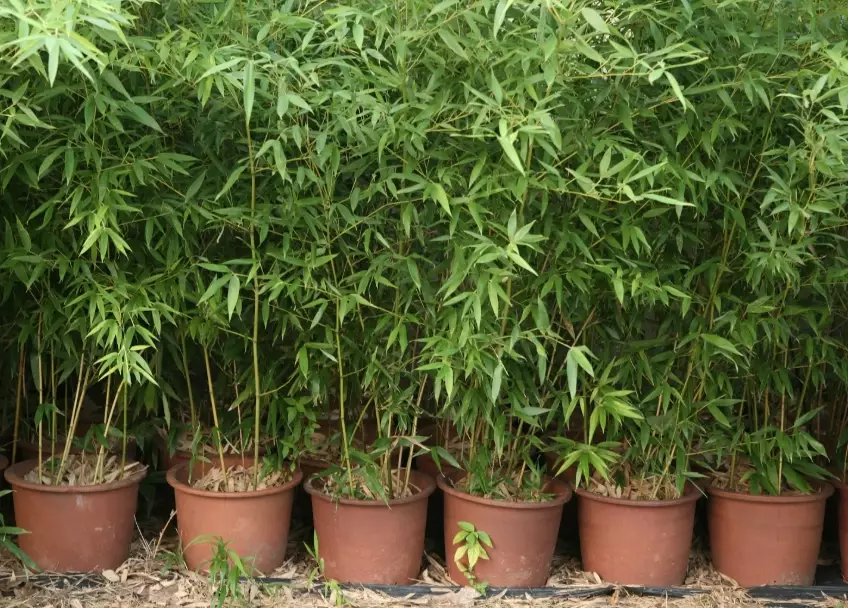
Solving Common Potted Bamboo Problems: Yellow Leaves, Brown Tips, and Pests
Your bamboo will signal distress. Here’s how to decode it and act fast.
Yellowing Leaves: This is the big one.
- Older leaves turning yellow gradually: This is often natural senescence. The plant is shedding old growth. Just pluck them off.
- Many leaves, especially new growth, turning yellow: Likely overwatering and root rot. Check the soil. If it's soggy, stop watering. You may need to repot into fresh, dry-ish mix and trim any black, mushy roots.
- Uniform pale yellowing across the plant: Could be hunger (needs fertilizer) or, more critically, a nutrient lockout from poor-quality water or incorrect soil pH.
Brown, Crispy Leaf Tips: Almost always a water quality or humidity issue. Tap water chemicals (fluoride, chlorine) burn the tips. Switch to filtered or rainwater. Low humidity, especially from air conditioning or heating vents, does the same. A weekly misting can help, but grouping plants together is better.
Pests: Spider mites love dry, stressed bamboo. You'll see fine webbing and stippled leaves. Scale insects look like small, brown bumps on canes and leaves. For both, isolate the plant. Wipe leaves with a soapy water solution (1 tsp mild soap per liter of water) or use neem oil. Consistency is key—treat every 5-7 days for two weeks.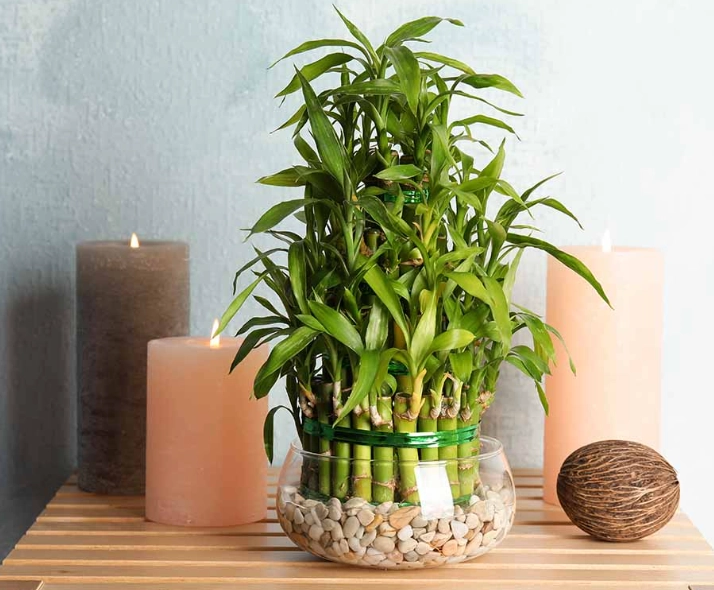
Advanced Tips for Long-Term Success: Repotting and Propagation
After a few years, your bamboo will become pot-bound. Growth slows, and it dries out very quickly. Time to repot, ideally in early spring.
Choose a new pot only 2-4 inches wider in diameter. Too big a pot holds excess water. Gently remove the plant. You'll see a dense mass of roots. For clumping bamboo, you can often tease the root ball apart into two or three sections with your hands or a clean saw—this is how you propagate. For running types in pots, you might need to cut through the rhizome mat. Replant each division in fresh soil mix, water well, and keep in a shaded spot for a few weeks to recover.
Propagating Lucky Bamboo is simpler: cut a healthy stalk with at least one node (the bumpy ring), let the cut end callous for a day, and place it in fresh water. Roots will appear in weeks.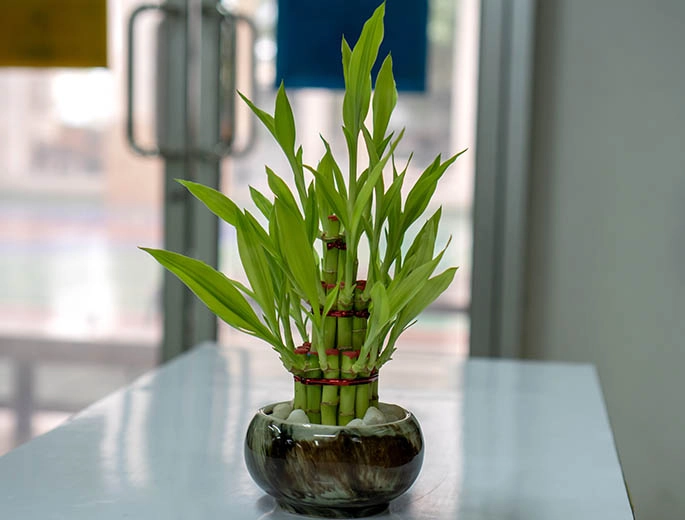
Your Potted Bamboo Questions, Answered by Experience
Growing potted bamboo successfully comes down to observation and slight adjustments. Forget the rigid rules. Feel the soil, watch the light move through your room, notice how the plant responds after you water it. Start with the right type, avoid overwatering with tap water, and give it decent light. Do that, and you'll move past just keeping it alive to watching it flourish. I know because my once-yellow Lucky Bamboo? It’s now a lush, green cluster on my desk, reminding me daily that plants, like most things, just need us to pay the right kind of attention.