Let's be honest. The String of Pearls plant is stunning in photos, a cascade of perfect green beads that makes any plant lover's heart skip a beat. But bringing one home often feels like signing up for a heartbreak. I've been there—watching plump pearls shrivel into raisins, stems turn to mush, and a once-full pot become a string of regrets. It's not you, and it's not (entirely) the plant's fault. The standard care advice for succulents often fails this particular species. After killing my first one and nursing my second back from the brink, I've learned the non-negotiable rules for success. This guide cuts through the generic tips and gives you the specific, sometimes counterintuitive, practices that actually work.
What's Inside This Care Guide?
Understanding Your Plant: It's Not a Cactus
Most people treat their String of Pearls like a desert cactus, expecting it to thrive on neglect. This is the root of 90% of failures. Senecio rowleyanus is a trailing succulent native to arid regions of southwest Africa, but it often grows in the partial shade of other plants. Those spherical leaves aren't just for show—they're water storage units. The plant's strategy is to absorb moisture quickly during rare rains and store it. The key insight? It's adapted to infrequent but thorough waterings, not a perpetual state of drought. When you underwater chronically, the plant uses up its reserves and the pearls shrivel. When you overwater, the delicate, hair-like roots rot in days. The goal is to mimic a natural downpour followed by a complete dry-out.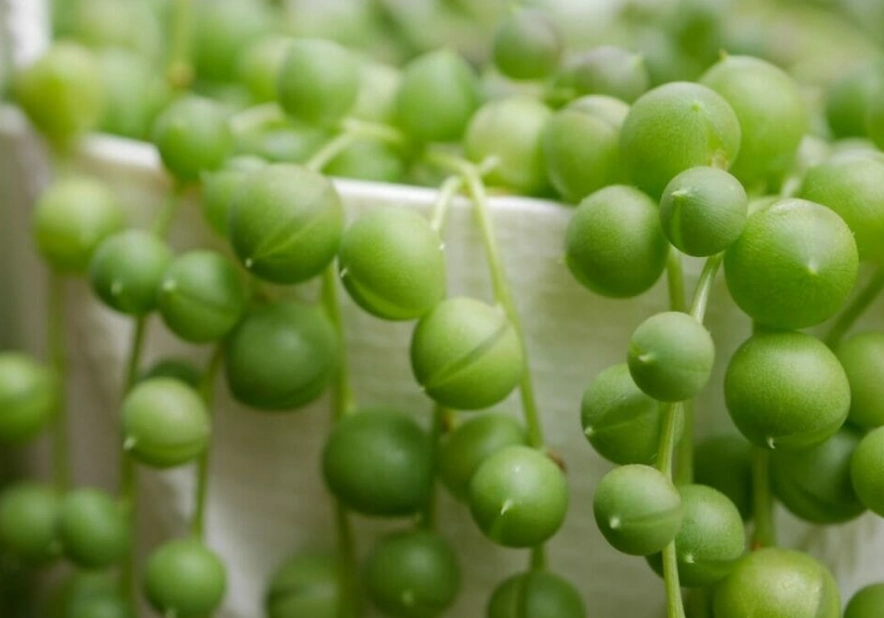
The Light Equation: Where Most Go Wrong
Light is the most critical factor for compact, bead-filled growth. Insufficient light causes what growers call "etiolation"—the stems stretch out, the pearls become smaller and spaced farther apart, and the plant loses its dense, lush look. It becomes leggy and weak.
The Goldilocks Zone: Bright, indirect light for at least 4-6 hours a day. An east-facing window is ideal. A south or west window is great, but you may need to diffuse the intense afternoon sun with a sheer curtain, especially in summer, to prevent sunburn (yes, those pearls can scorch and turn brown or purple).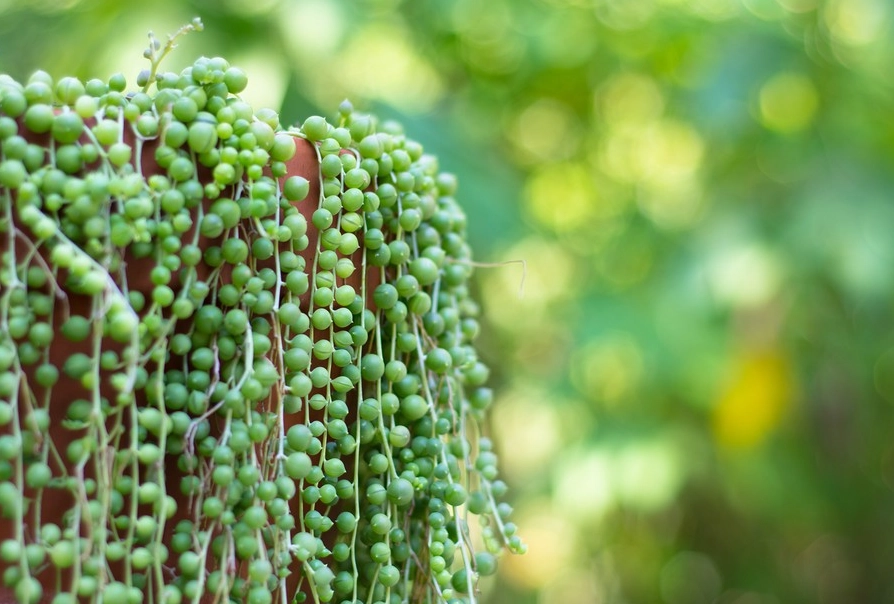
My Personal Test: I placed one pot on a north-facing windowsill (low light) and another a few feet back from a south-facing window (bright indirect). In three months, the north-facing plant's new growth had pearls 50% smaller and stems twice as long between them. The south-facing plant was tightly packed and vividly green. The difference was undeniable.
If you only have lower light, consider supplementing with a grow light. A simple LED bulb placed a foot above the plant for 12 hours a day can work wonders.
Watering: The Unforgiving Step
This is the make-or-break element of String of Pearls care. Forget the calendar. Watering every "X" days is a recipe for disaster because humidity, temperature, light, and pot size change how fast soil dries.
The Finger Test Method (And Why It's Flawed)
The common advice is to stick your finger in the soil. For String of Pearls, by the time the top inch or two feels dry, the middle of the root ball might still be soggy. Instead, use the "Pearl Pinch" test.
- Gently squeeze a few pearls near the base of the plant (not the trailing ends).
- If they feel firm and plump, do not water.
- If they feel slightly soft, have a bit of give, or look a little less round, it's time.
- If they are shriveled and dry, you've waited too long, but you can still recover.
How to Water Correctly
When your plant passes the pinch test, water thoroughly. Take it to the sink and pour water evenly over the soil until it runs freely out of the drainage hole. Let it drain completely. Never let it sit in a saucer of water. Then, return it to its spot and forget about it until the pearls signal again.
In winter, when growth slows, watering frequency might drop to once a month or even less. The plant is semi-dormant.
Soil and Potting: The Foundation of Health
Regular potting soil holds too much moisture. You need a mix that drains incredibly fast. A pre-mixed succulent & cactus soil is a good start, but I always amend it.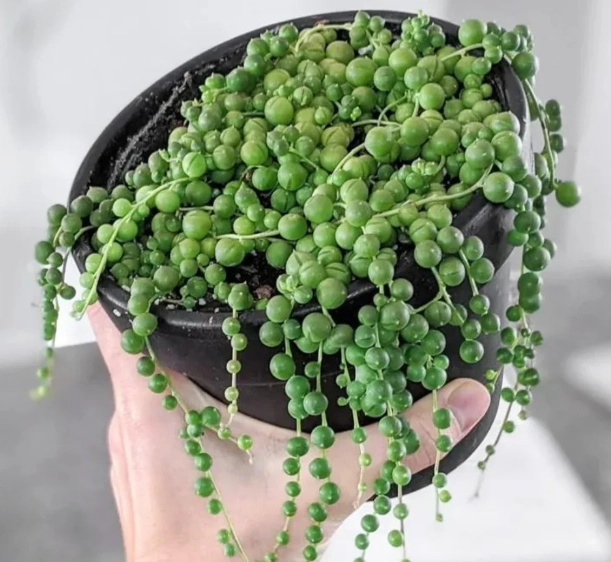
My Go-To Mix: 2 parts succulent soil + 1 part perlite + 1 part coarse sand or pumice. This creates an airy, gritty medium where water flows through quickly, preventing root rot. The Royal Horticultural Society recommends similar well-draining mixes for succulents.
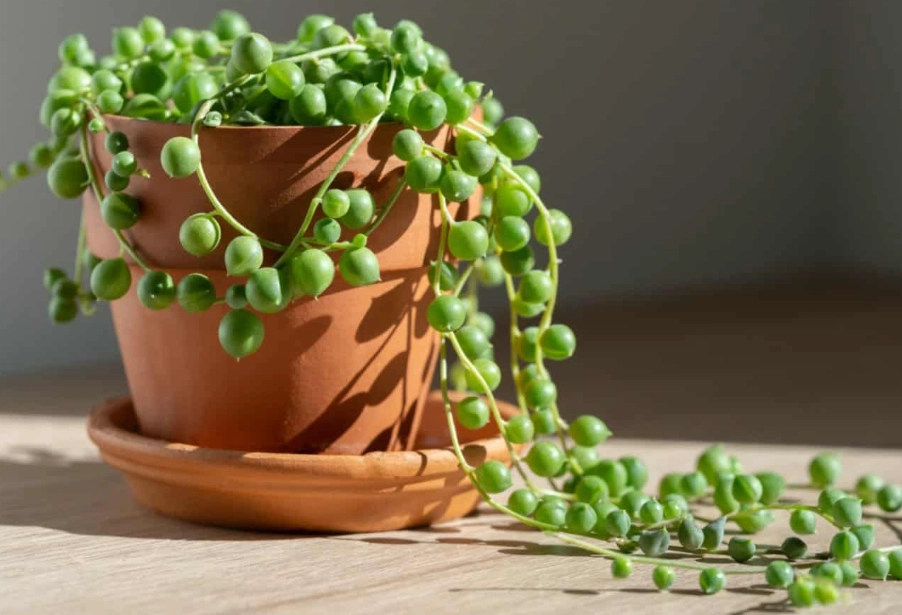
Pot Choice: Always use a pot with a drainage hole. Terracotta pots are excellent because they are porous and help wick away moisture from the soil. The pot shouldn't be too large—only go up 1-2 inches in diameter when repotting. Too much soil holds excess water the roots can't reach.
Maintenance and Problem Solving
Even with perfect care, issues arise. Here’s a quick diagnostic table.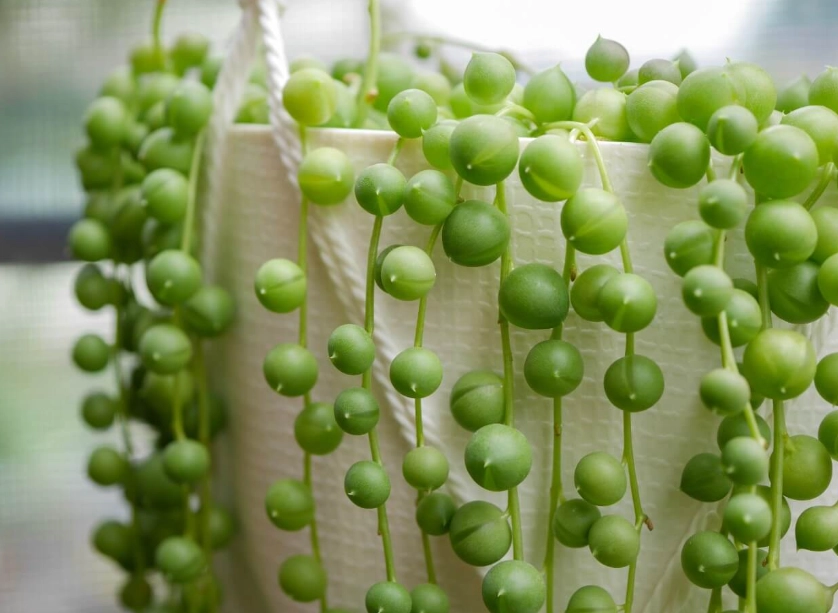
| Symptom | Likely Cause | Immediate Action |
|---|---|---|
| Pearls shriveling, dry | Underwatering or soil repelling water (hydrophobic). | Soak the pot in a basin of water for 15-30 mins to rehydrate soil fully. Adjust watering frequency. |
| Stems mushy, pearls bursting/yellowing | Overwatering / Root Rot. | Stop watering. Remove plant, cut away all soft, brown/black roots and stems. Repot in fresh, dry, gritty mix. Wait a week before watering. |
| Leggy growth, small pearls | Insufficient light. | Move to a brighter location gradually. You can prune leggy stems to encourage bushier growth. |
| Brown/scorched spots on pearls | Too much direct, hot sun. | Move to a location with bright but indirect light. |
Pruning isn't just for looks. Regularly pinching back the longest trails encourages the plant to branch out from the base, creating a fuller pot. Don't be afraid to trim—it makes the plant healthier.
Propagation Mastery
This is the fun part and your insurance policy. The easiest method is stem layering.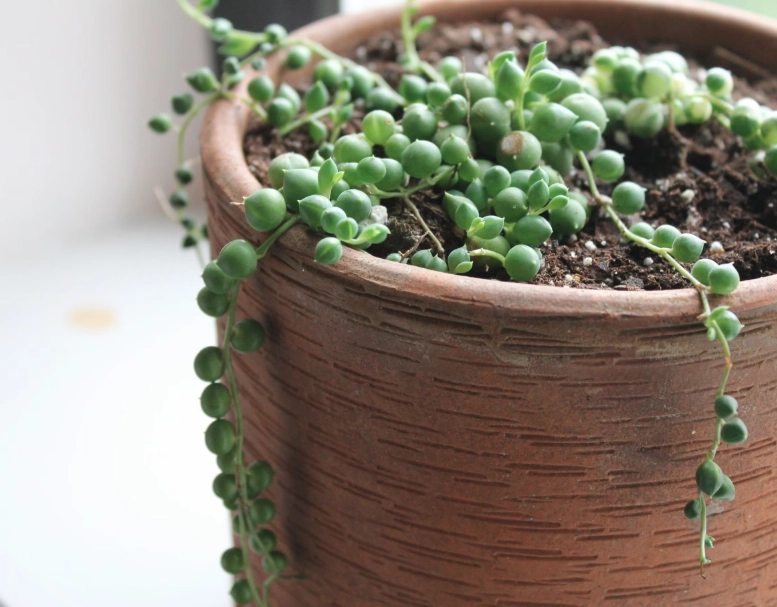
Take a healthy strand and coil it on top of the soil in the same or a new pot. Use a bent paperclip or hairpin to gently pin a few nodes (where pearls connect) into contact with the soil. Keep that soil slightly more moist than usual (not wet). In a few weeks, roots will form at the pinned nodes. Once rooted, you can cut the connection to the mother strand. This method gives you a full-looking plant much faster than planting single cuttings.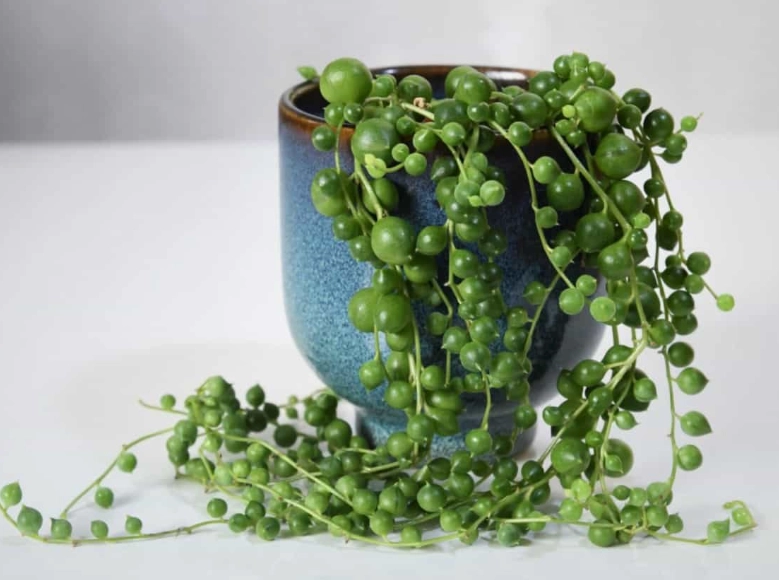
Your Top String of Pearls Care Questions, Answered
Why are the pearls on my String of Pearls suddenly flat or deflated-looking?
This is almost always a sign the plant is thirsty and has used up the water stored in its leaves. Check the soil. If it's bone dry, give it a thorough soak. The pearls should plump back up within a day or two. If they don't, the roots may be damaged from prolonged dryness and unable to absorb water—in which case, consider taking stem cuttings to propagate a new plant.
Can I mist my String of Pearls to increase humidity?
Don't. Misting does little for humidity and can be harmful. It leaves water droplets on the pearls, which can lead to rot if they sit in the crevices, especially in poor airflow. It also encourages fungal issues. These plants prefer dry air. Focus on proper root watering instead.
How do I get my String of Pearls to flower?
Mature, happy plants may produce small, cinnamon-scented white flowers in late winter or spring. The key triggers are a slight reduction in water during the fall/winter and a noticeable difference between day and night temperatures (a cooler period). Don't force it—focus on overall health, and flowers are a bonus. In my experience, plants receiving strong, indirect light all year are most likely to bloom.
Is the String of Pearls toxic to pets?
Yes. According to resources like the ASPCA, Senecio species contain compounds that can cause vomiting, diarrhea, and lethargy in cats and dogs if ingested. It's best to keep this plant well out of reach of curious pets.
What's the single biggest mistake beginners make?
Using a pot that's too big with soil that drains poorly, then watering on a schedule. This creates a wet, stagnant environment around a small root system, leading to rapid root rot. Start with a small, well-draining pot and gritty mix, and let the plant tell you when it's thirsty.
String of Pearls care requires a shift in mindset. It's not about neglect, but about attentive, informed intervention. Watch the pearls, trust the soil to dry, and give it all the light you can. When you get it right, the reward is a breathtaking, living waterfall of green that feels like a real gardening achievement.