I killed my first three potted lavender plants. I followed the classic advice – full sun, don’t overwater – and still ended up with sad, woody stems and yellow leaves. It was frustrating. It turns out, the standard gardening wisdom misses some crucial, pot-specific details. Growing lavender in containers is a different game than growing it in the ground. The margin for error is smaller. After a lot of trial, error, and talking with nursery specialists (like the folks at my local native plant center who grow hundreds of lavender starters), I figured out the real rules. This guide isn’t about vague tips. It’s about the five concrete mistakes that will doom your potted lavender, and exactly how to fix them.
What You’ll Learn Here
Mistake 1: Using Any Old Pot and Soil
This is where most failures begin. You repurpose a pot, grab some bagged potting mix, and call it a day. Lavender roots hate that.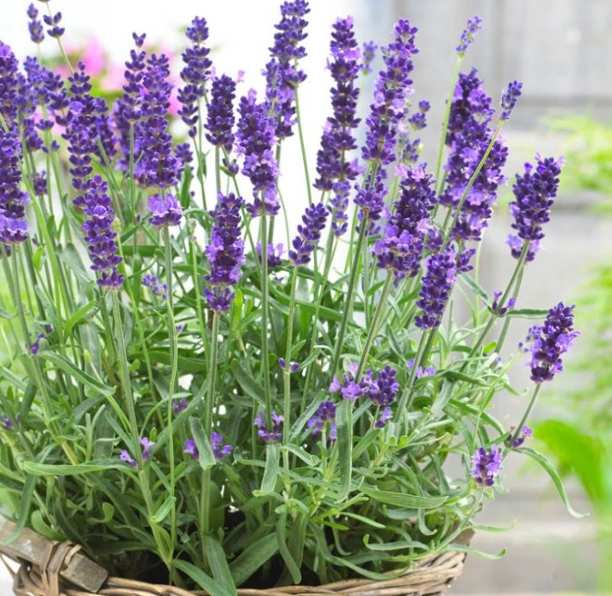
Choosing the Right Pot
Depth is more important than width. Lavender sends down a long taproot. A shallow, wide bowl is a death sentence. Aim for a pot at least 12-16 inches deep. Material matters too. Terracotta or clay are ideal because they breathe, pulling moisture away from the soil. Plastic pots retain water and heat up faster, which can cook roots in hot climates. If you use plastic, it must have massive drainage holes – I drill extra ones in the bottom and sides near the base.
Size is a progression. Don’t plant a tiny seedling in a giant pot. The excess soil stays wet too long. Start in a pot just 2-4 inches wider than the root ball, and plan to repot every 2-3 years as it grows.
The Non-Negotiable Soil Mix
Standard potting soil is too moisture-retentive and often too rich. Lavender needs sharp drainage and lean, slightly alkaline conditions. Here’s the mix I use now, and my plants haven’t looked back:
- 50% High-Quality Potting Mix: Not garden soil. Use a lightweight, sterile mix.
- 30% Coarse Sand or Grit: Horticultural sand or chicken grit. Builder’s sand can work but must be coarse. This creates air pockets.
- 20% Perlite or Pumice: For additional drainage and aeration.
- A handful of Lime: To gently raise the pH. Lavender prefers a pH between 6.5 and 7.5.
Mistake 2: Misunderstanding “Drought Tolerant”
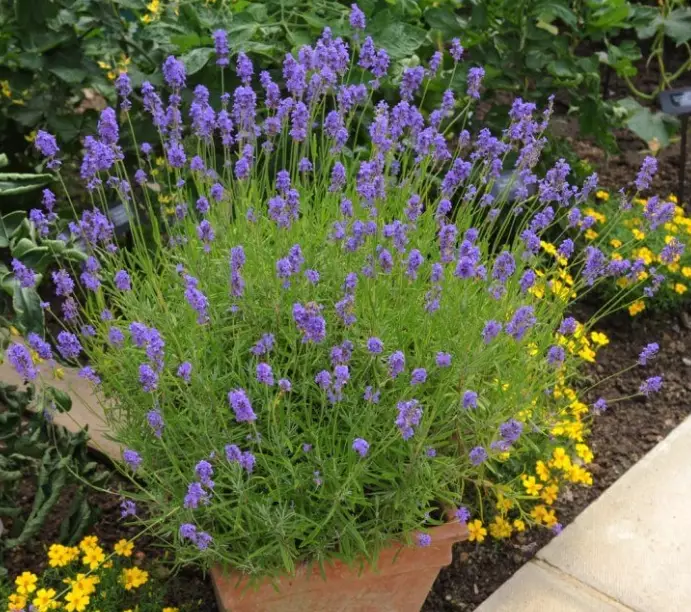
“Drought tolerant” applies to established plants in the ground with deep root systems. A lavender in a pot has a limited root zone that can dry out completely in a day during summer. The trick is mastering the cycle of soak-and-dry.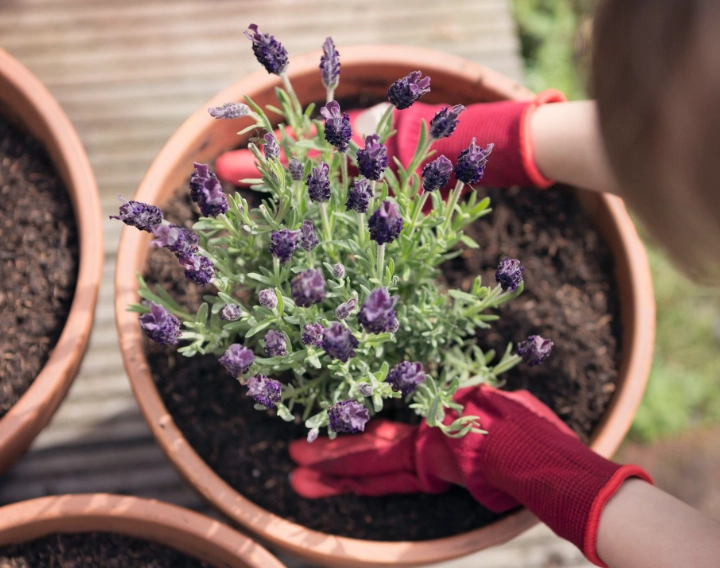
The finger test is useless for lavender. By the time the top inch is dry, the middle might be soggy. Lift the pot. Learn its weight when freshly watered and when dry. When it feels light, water deeply. I mean deeply – pour water slowly until it streams out the bottom drainage holes. This ensures the entire root ball gets moisture.
Then, let it dry out almost completely. The soil should feel dry an inch or two down before you water again. In the peak of summer, this might be every other day. In spring and fall, it could be once a week. In winter, maybe once a month.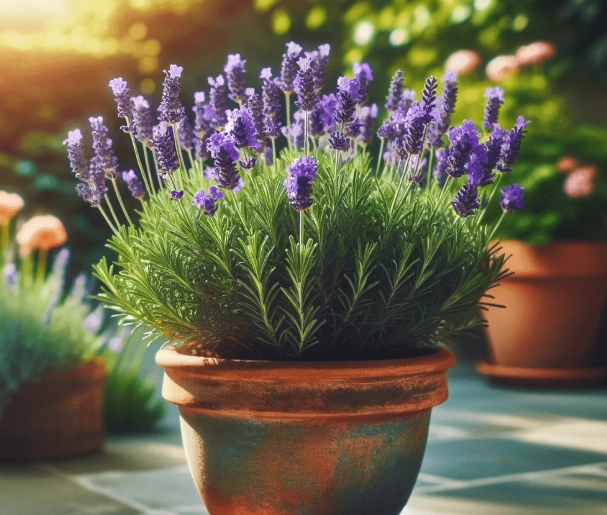
Mistake 3: Not Giving Enough (or the Right Kind) of Sun
“Full sun” means at least 6-8 hours of direct, unfiltered sunlight. Not bright indirect light. Not dappled shade. Direct sun. Without it, the plant gets leggy, produces few flowers, and becomes weak and susceptible to disease.
But here’s the pot-specific twist: the sun also heats the pot itself. A dark plastic pot in full afternoon sun can get hot enough to damage roots. If your only sunny spot bakes the container, use a light-colored pot or place it inside a slightly larger decorative pot to create an insulating air gap. I’ve also used a simple wooden board leaned against the sun-facing side of the pot to shield it.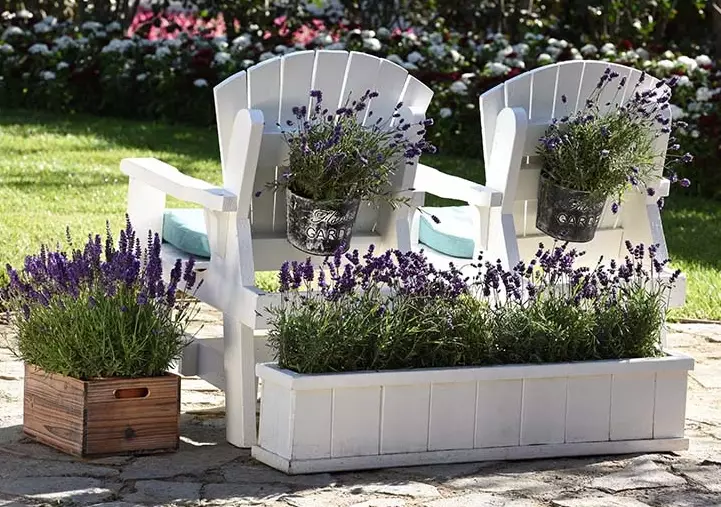
Watch for signs. If the leaves are a vibrant silvery-green and the plant is compact, it’s happy. If it’s stretching toward the light with large gaps between leaves, it needs more sun.
Mistake 4: Being Scared to Prune
This was my personal hurdle. I didn’t want to hurt the plant. But lavender needs pruning to stay compact, prevent woody growth, and encourage blooms. If you don’t prune, you’ll get a tall, floppy plant with a dead, woody center.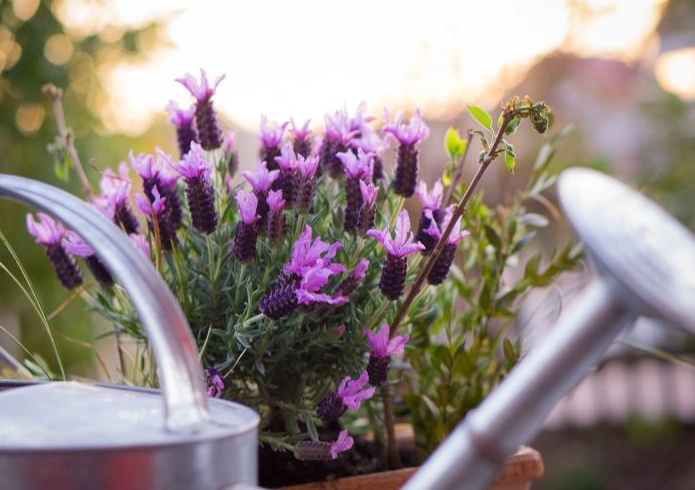
How to Prune Potted Lavender
There are two main prunes:
1. The Post-Bloom Prune (Late Summer): After the first major flowers fade, grab your shears. Cut back the flower stems, but also trim about one-third of the current year’s green growth. Shape it into a gentle mound. Never cut back into the old, brown, woody stems, as they rarely produce new shoots.
2. The Spring Prune (Early Spring, as new growth appears): This is a lighter tidy-up. Remove any winter-damaged or dead tips. Shape the plant again, cutting back just into the green growth from the previous year. This stimulates bushier growth for the coming season.
I keep a dedicated pair of sharp, clean bypass pruners just for my herbs. Ragged cuts from dull tools invite disease.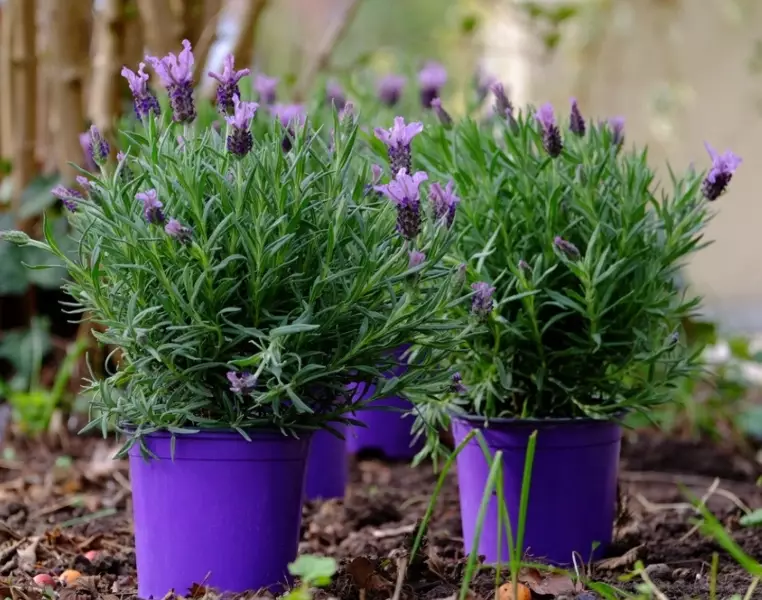
Mistake 5: Forgetting About Winter
In the ground, lavender is quite hardy. In a pot, its roots are exposed to freezing temperatures from all sides. A hard freeze can kill the plant. Winter wet is an even bigger killer than cold – a waterlogged, frozen root ball is fatal.
Your strategy depends on your climate:
- Mild Winters (Zones 8-10): You can usually leave the pot outside. Move it to a sheltered spot against a south-facing wall for extra warmth. Raise the pot off the ground on feet to prevent bottom freezing and improve drainage. Reduce watering significantly.
- Cold Winters (Zones 7 and below): You have two options. First, move the pot to an unheated but protected space like a garage, shed, or cold frame. It needs to be cool (35-50°F is ideal) and have some light. Water only once or twice all winter, just enough to prevent complete desiccation. The second option is to insulate the pot in place. Wrap the container in bubble wrap or burlap stuffed with leaves, and mulch heavily over the soil surface. This is riskier.
Don’t fertilize in late fall or winter. You don’t want to encourage tender new growth that will get zapped by frost.
Your Potted Lavender Problems, Solved
Why are the leaves on my potted lavender turning yellow?
Yellow leaves almost always point to water issues. If they’re yellow and soggy, you’re overwatering. Let the soil dry out completely and check your pot’s drainage. If they’re yellow and crispy, especially lower leaves, you might be underwatering or the plant is root-bound and drying out too fast. Check the soil moisture and consider if it’s time to repot.
My lavender in a pot isn’t flowering. What did I do wrong?
Focus on sun and pruning. Insufficient direct sunlight is the top culprit. Less than 6 hours and it may not bloom well. The second reason is lack of pruning. Lavender flowers on new growth. If you didn’t prune last year, the plant is putting energy into maintaining old, woody stems instead of producing flowering shoots. Give it a hard prune after any existing blooms fade.
Can I use lavender grown in pots for cooking or tea?
Yes, but with a caveat. Ensure you’re growing English lavender (Lavandula angustifolia) varieties like ‘Munstead’ or ‘Hidcote’. These have a sweeter, less camphorous flavor. Spanish or French lavenders aren’t ideal for consumption. Harvest flower spikes just as they begin to open, in the morning after the dew dries. Rinse gently and air dry completely before using.
How do I know if my potted lavender has root rot?
The plant will look generally unhappy—wilting, yellowing, stunted growth—even when the soil is moist. The real tell is the smell and the stems. Gently remove the plant from its pot. Healthy roots are firm and whitish. Rotting roots are brown, black, mushy, and will smell foul. The base of the stems near the soil may also be soft and dark. If the rot is extensive, the plant may not be salvageable. If you catch it early, cut away all affected roots and stems, repot in fresh, dry, gritty mix, and water very sparingly.
What’s the best lavender variety for beginners growing in containers?
Stick with compact English lavender cultivars. ‘Munstead’ is incredibly reliable, stays relatively small (about 12-18 inches), and flowers profusely. ‘Hidcote’ is even more compact with darker purple flowers and is slightly more tolerant of varied conditions. ‘Phenomenal’ is a newer hybrid praised for its exceptional heat and humidity tolerance, which can be a lifesaver if you’re growing pots in a challenging climate.
Growing lavender in pots is deeply satisfying. That scent brushing past you on a patio, the hum of bees around the blooms – it’s worth the specific care it asks for. It’s not a plant you can ignore, but it’s also not a diva if you get the fundamentals right. Start with the gritty soil and the deep pot. Master the watering lift-test. Don’t be shy with the pruners. Think ahead to winter. Do those things, and you’ll move from struggling to keep it alive to wondering how you’ll use all the lavender you’ve grown.
Based on observations from my own patio garden and consultations with local horticulturists.