Let's cut straight to the point. You bought a cute little succulent, placed it on your desk, gave it a bit of water every few days because it looked dry, and now it's either mushy, stretched out like it's reaching for something, or just... dead. Sound familiar? You're not alone. The number one killer of small succulents isn't neglect—it's kindness, specifically in the form of overwatering. I've killed my fair share before figuring it out, and I've seen it happen to countless others. This guide isn't just a list of facts; it's a roadmap built on those mistakes, focused on getting you past the initial hurdle and turning your small succulents into long-term, low-maintenance companions.
What's Inside This Guide?
- Why Small Succulents Are a Different Beast
- The Core Principle: Think Desert, Not Jungle
- How to Water Small Succulents Correctly (The Soak & Dry Method)
- Choosing the Right Pot and Soil: Your First Line of Defense
- Light Requirements: How Much is Enough?
- Selecting Your First Small Succulents: 5 Beginner-Proof Choices
- The Repotting Process: A Step-by-Step Guide
- Propagating Your Small Succulents: Free Plants!
- Troubleshooting Common Small Succulent Problems
- Your Small Succulent Questions Answered
Why Small Succulents Are a Different Beast
It's tempting to treat that tiny 2-inch potted Haworthia the same as your larger snake plant. Big mistake. Small succulents have less soil volume, which means two critical things happen faster: the soil dries out quicker on the surface (tricking you into watering), but the tiny root ball in the center can stay soggy for much longer. That central sogginess is a death sentence. They also have fewer water reserves in their leaves compared to a mature jade plant. A misstep with water shows up on a small plant in days, not weeks.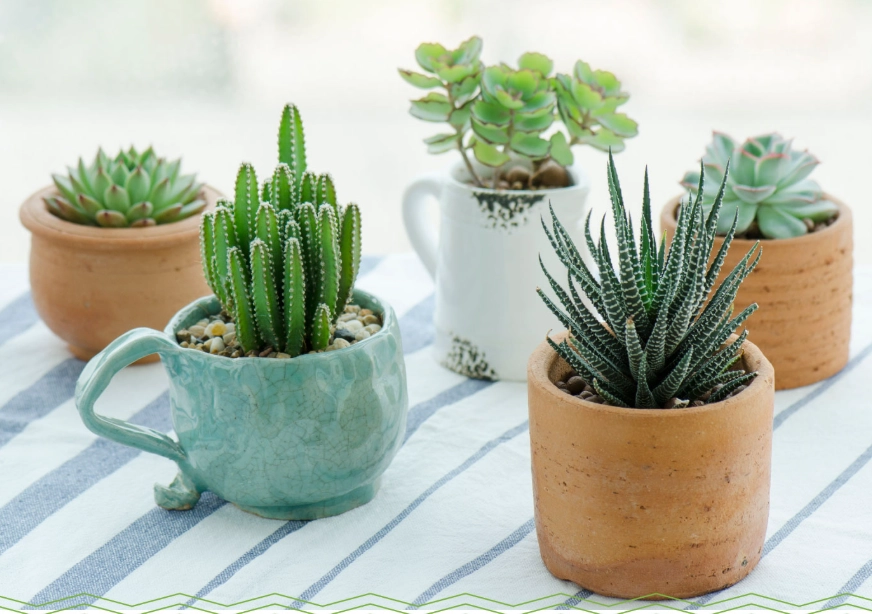
I learned this the hard way with a beautiful little Echeveria 'Lola'. It was perfect. I watered it when the topsoil felt dry—maybe twice a week. Within three weeks, the lower leaves turned translucent and fell off at a touch. The center was still okay, but the damage was done. The plant was essentially drowning from the roots up because I was responding to surface conditions, not what was happening in the core of that tiny pot.
The Core Principle: Think Desert, Not Jungle
Forget schedules. "Water every two weeks" is the most common and most dangerous advice for small succulent care. Your home's humidity, light, pot material, and season all change how fast soil dries. The only schedule you need is one based on observation.
Here's a non-consensus point most guides miss: watering based on "dry soil" is still too vague. For small pots, the top inch can be bone dry while the bottom third is a wet sponge. You need to assess the plant's body, not just the dirt.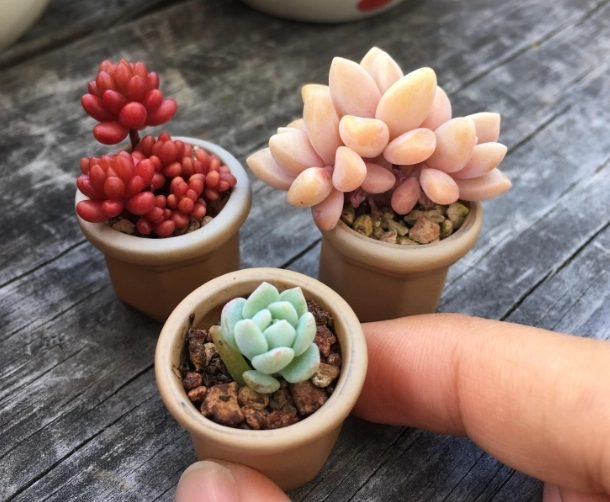
How to Water Small Succulents Correctly (The Soak & Dry Method)
This method is non-negotiable for healthy roots.
- Wait for the Signal: Let the plant show slight signs of thirst (wrinkled leaves).
- Soak Thoroughly: Take the pot to the sink. Water evenly until water flows freely out of the drainage hole. Not a trickle—a steady stream. You need to ensure the entire root ball gets wet.
- Drain Completely: Let the pot sit in the sink or on a rack for at least 15-30 minutes until no more water drips out. Never let the pot sit in a saucer of water.
- Return to Bright Light: Put it back in its sunny spot. The wet soil and good light will work together to dry it out efficiently.
How long between waterings? In a bright, indoor spot, for a small pot, this could be 10-14 days in summer and 3-4 weeks or more in winter. But always, always check the plant first.
Choosing the Right Pot and Soil: Your First Line of Defense
Your pot and soil are your main allies against overwatering.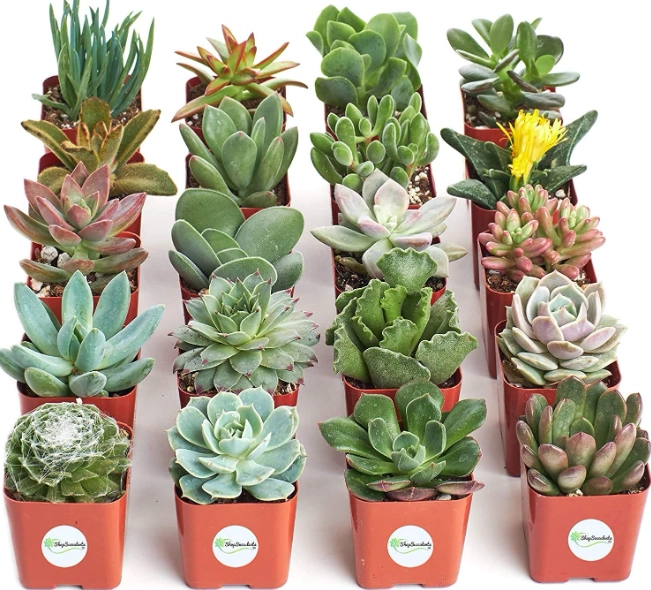
The Pot: Drainage is Everything
That adorable ceramic pot with no hole? It's a coffin. You must have a drainage hole. Terracotta pots are the gold standard for beginners—they're porous, pulling moisture away from the soil and helping it dry faster. Glazed ceramic or plastic pots retain moisture longer, meaning you must water less frequently.
The Soil: Ditch the Bagged "Cactus Mix" Alone
Here's another expert tip: most commercial cactus and succulent soils still retain too much moisture for small pots, especially indoors with less airflow. I always amend them.
My go-to mix for small succulents: 50% bagged cactus/succulent soil, 50% inorganic grit (like perlite, pumice, or coarse sand). The grit creates air pockets and ensures the mix falls apart when dry, never compacting into a wet block. The Royal Horticultural Society recommends a similar gritty mix for optimal drainage.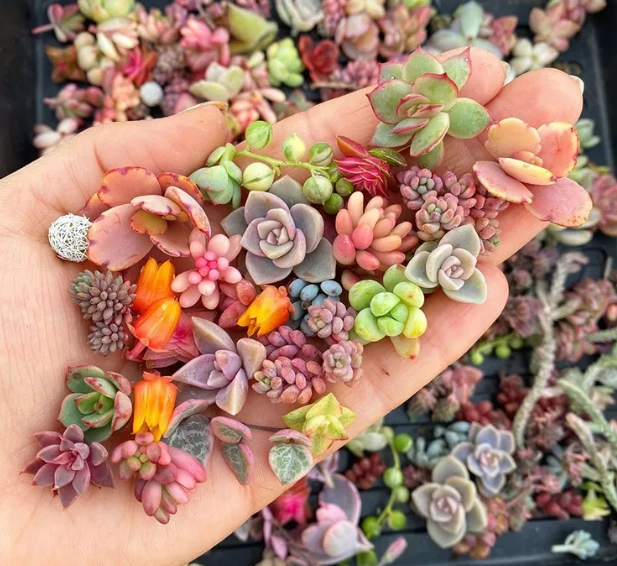
Light Requirements: How Much is Enough?
Light drives the photosynthesis that uses up the water you give. More light = faster dry-down = safer watering. Low light = slow water use = root rot risk.
Ideal: A south or east-facing windowsill. They need at least 4-6 hours of bright, indirect or direct light per day. If your only window is north-facing, you'll likely need a grow light, especially in winter.
The Stretch Test: If your succulent starts growing tall and spaced out, with a long stem between leaves (this is called etiolation), it's desperately reaching for more light. It's not "growing happily"; it's starving for sun.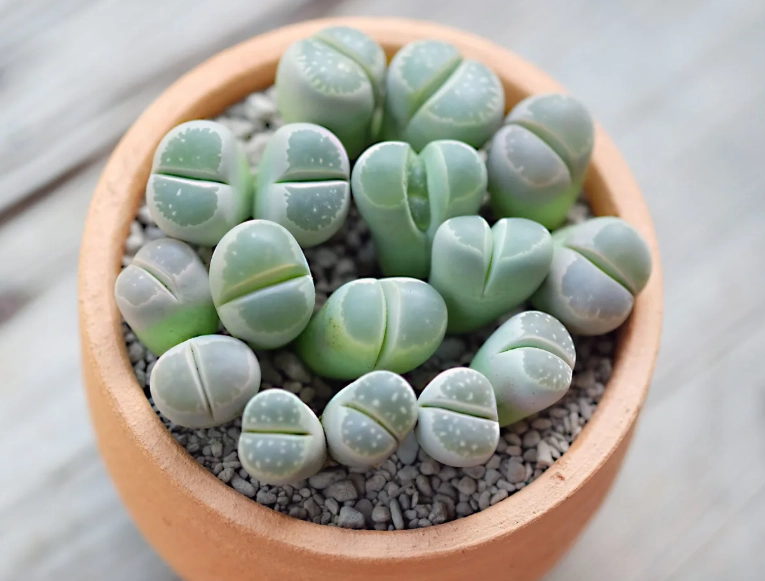
Selecting Your First Small Succulents: 5 Beginner-Proof Choices
Not all small succulents are created equal. Some are dramatically more forgiving. Start with these. I've kept all of these alive in less-than-perfect conditions while learning.
| Succulent Name | Why It's Great for Beginners | Key Care Note |
|---|---|---|
| Haworthia (e.g., Zebra Plant) | Tolerates lower light than most. Very slow grower. Shows clear thirst signals. | Prefers bright indirect light. Water when leaves soften slightly. |
| Gasteria | Extremely tolerant of occasional over or under-watering. Unique textured leaves. | Thrives in similar conditions to Haworthia. Very hardy. |
| Jade Plant (Crassula ovata) | Classic, sturdy. Thick stems store water. Easy to read (wrinkled leaves = thirsty). | Needs more direct light to stay compact. Water deeply, then let dry completely. |
| Echeveria 'Perle von Nürnberg' | A more forgiving Echeveria. Beautiful colors with good light. | Needs strong light to keep its tight rosette shape. A test for your sunniest spot. |
| Sedum morganianum (Burro's Tail) | Trailing habit, great for hanging pots. Plump leaves are easy to monitor. | Be careful! The leaves detach easily. Handle minimally and give it lots of light. |
Notice I didn't put Lithops (living stones) on that list? That's on purpose. They have a super specialized annual cycle and are notorious for dying from a single summer watering. Master the basics first.
The Repotting Process: A Step-by-Step Guide
You bought a small succulent, it's in a plastic nursery pot. Should you repot? Yes, eventually, to get it into better soil. Here's how, without shocking the plant.
- Timing: Do it during active growth (spring/summer). Don't repot a newly purchased plant immediately; let it acclimate for a week or two.
- Prepare: Have your new pot (just 1-2 inches wider) and dry, pre-mixed gritty soil ready.
- Remove: Gently tip the plant out. Squeeze the nursery pot if needed. Tease apart the roots slightly if they are a tight, circling mass.
- Inspect: Look for any black, mushy roots (rot). Snip them off with clean scissors.
- Plant: Place some soil in the new pot. Set the plant in so the base is just below the rim. Fill in around with soil. Don't bury the stem deeper than it was.
- The Critical Step: DO NOT WATER. Leave the plant dry in its new pot for 4-7 days. This allows any tiny root breaks to callous over, preventing rot. Then, give it its first thorough soak.
Propagating Your Small Succulents: Free Plants!
This is the fun part. Many small succulents propagate easily from leaves or offsets.
Leaf Propagation (for Echeveria, Sedum):
- Gently twist a healthy, plump leaf from the stem. Get a clean break.
- Lay it on dry soil in a bright spot, out of direct sun. Ignore it.
- In a few weeks, tiny roots and a rosette will form. Mist the soil very lightly only when you see roots. The parent leaf will shrivel as the baby feeds on it.
Offsets/Pups (for Haworthia, Aloe, Sempervivum):
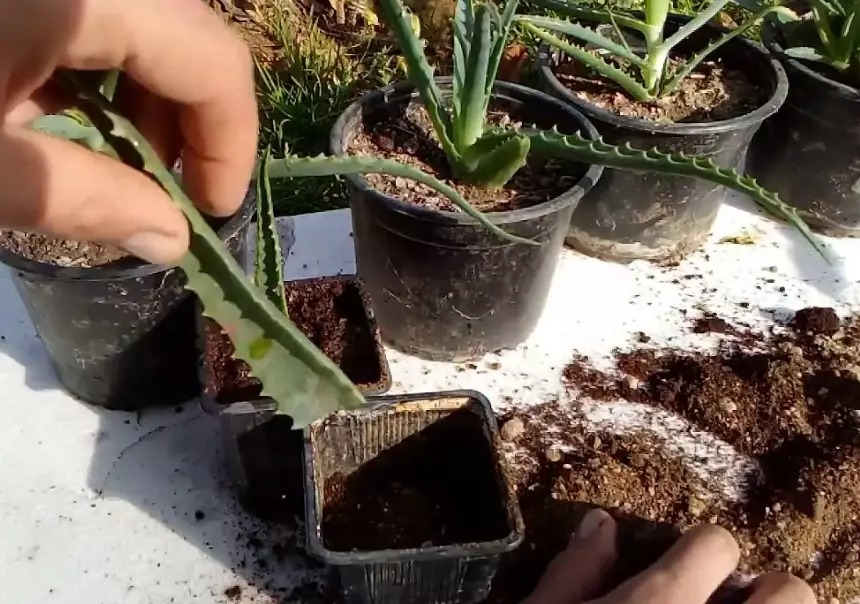
These are baby plants that grow from the base. Let them get to a decent size (about 1/3 of the mother), then use a clean knife to separate them, ensuring they have some roots. Pot them up as you would a mature plant, following the no-watering-after-repotting rule.
Troubleshooting Common Small Succulent Problems
- Mushy, Translucent Leaves (Bottom Up): Classic overwatering/root rot. Stop watering immediately. Unpot, remove all rotten parts (they'll smell bad), let the plant dry out for a few days, then repot in dry, gritty mix. Don't water for a week.
- Brown, Crispy Leaves (Bottom Up): Normal aging. The plant reabsorbs old leaves. If it's excessive, it might be underwatering. Give it a good soak.
- Stretched, Pale Growth: Etiolation. Not enough light. Move to a brighter spot. You can behead the stretched part, let it callous, and replant it.
- White Cottony Fluff (Mealybugs): Common pest. Isolate the plant. Dab bugs with a cotton swab dipped in rubbing alcohol. Check leaf crevices and roots.
Your Small Succulent Questions Answered
The journey with small succulents is about embracing a different rhythm. Water less, observe more, provide light fiercely, and choose your soil and pot like a life-support system. Start with a hardy variety, nail down the soak-and-dry cycle, and you'll find these little plants are incredibly resilient. They teach patience. Now go check your plants—are they asking for a drink, or are they still happily full from the last one?